
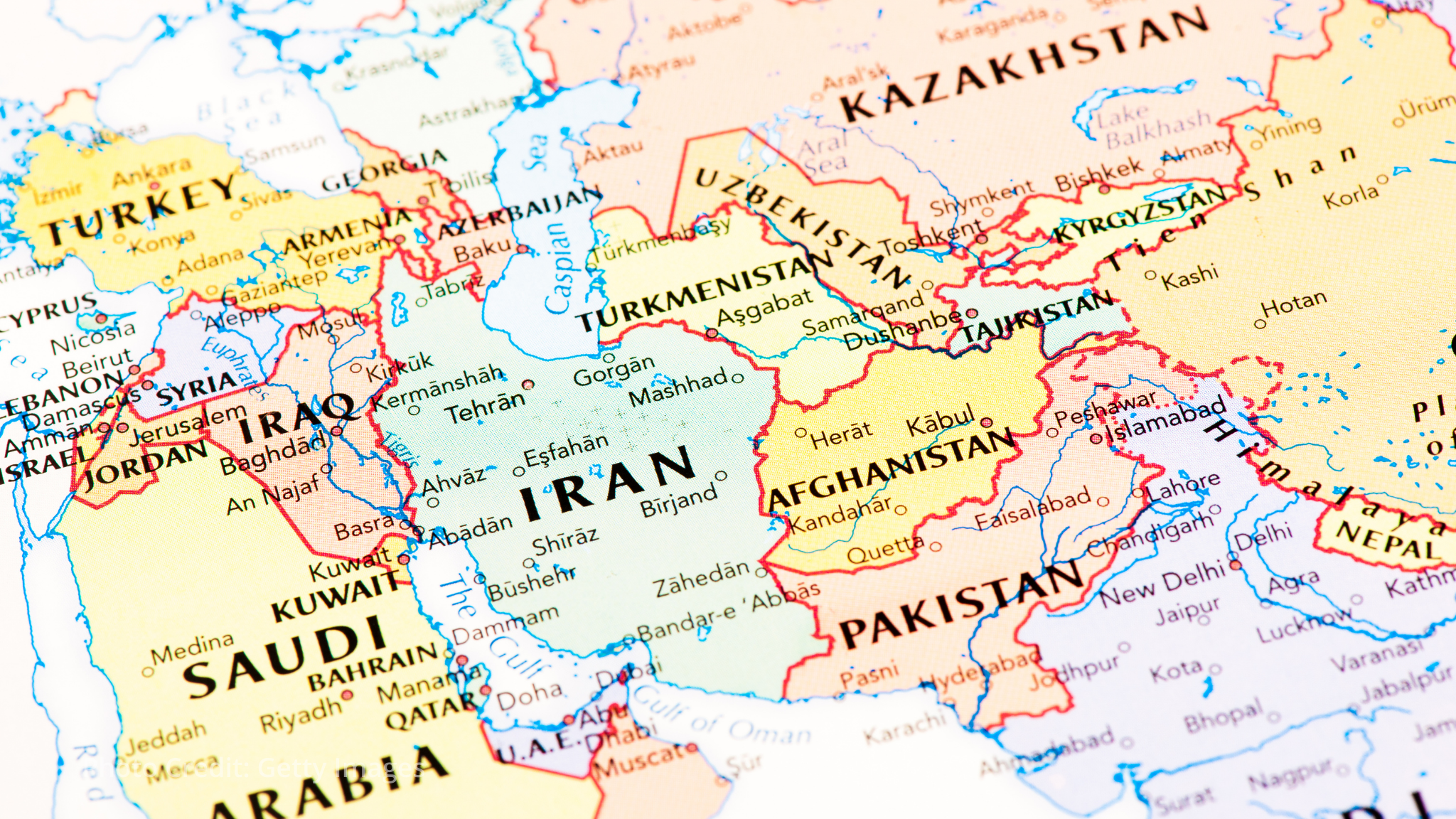
The World Food Programme (WFP) says it is operational and ready to scale up rapidly across the Middle East as the humanitarian situation shifts quickly, with displacement growing and commercial shipping routes coming under serious strain. Speaking from Cairo at a Geneva press briefing, WFP Regional Director for the Middle East Samer Abdeljaber said the agency has activated emergency preparedness measures across the region and estimates that at least $200 million would be needed to sustain an initial three-month emergency response if the crisis escalates further.
Lebanon is already the first country requiring an immediate response. Nearly 30,000 people have been displaced so far — a figure WFP expects to climb significantly — with families leaving South Lebanon, the Bekaa Valley and Beirut’s southern suburbs for shelters and host communities. Within hours of shelters opening, WFP teams were on the ground providing hot meals, ready-to-eat rations and bread. The agency is also working with the Lebanese government to set up an emergency cash safety net that could reach up to 100,000 people if conditions worsen, while continuing to advocate for continued support to Syrian refugees already inside Lebanon.
In Gaza, WFP is racing against the clock. With wheat flour sufficient for only 10 days and food parcels for just two and a half weeks, Abdeljaber warned that if border crossings remain closed or deliveries are delayed, the agency may have to cut general food assistance rations by as much as 25% — affecting 1.3 million people. The reopening of the Kerem Shalom crossing brought some relief, but the agency stressed that a continuous and scalable flow of food into Gaza is urgently needed.
Across the region, humanitarian supply chains are buckling under mounting pressure. Risks in the Strait of Hormuz, renewed threats in the Red Sea and ongoing airspace closures across the Gulf are driving up transport costs, delaying deliveries and squeezing container availability. WFP is responding by leaning more heavily on suppliers and transit corridors through Turkey, Egypt, Jordan and Pakistan, and making fuller use of Egypt’s ports and the Suez Canal.
With so many pressure points converging at once, WFP’s message is clear: the window to get ahead of this crisis is narrow, and the funding and access needed to act must come now — before the situation moves faster than the response can follow.
